By: James Vance – SeaPRwire – Industrial sites already collect more condition data than they can use. Sensors, inspections, SCADA, EAM and CMMS systems generate constant alerts. The missing piece is ranking. Which signal actually threatens production, safety or the balance sheet? Lumicent just launched a Decision Intelligence platform built to answer that question before the loss arrives. The company, formerly CoGo, now positions itself as the decision layer for physical risk.
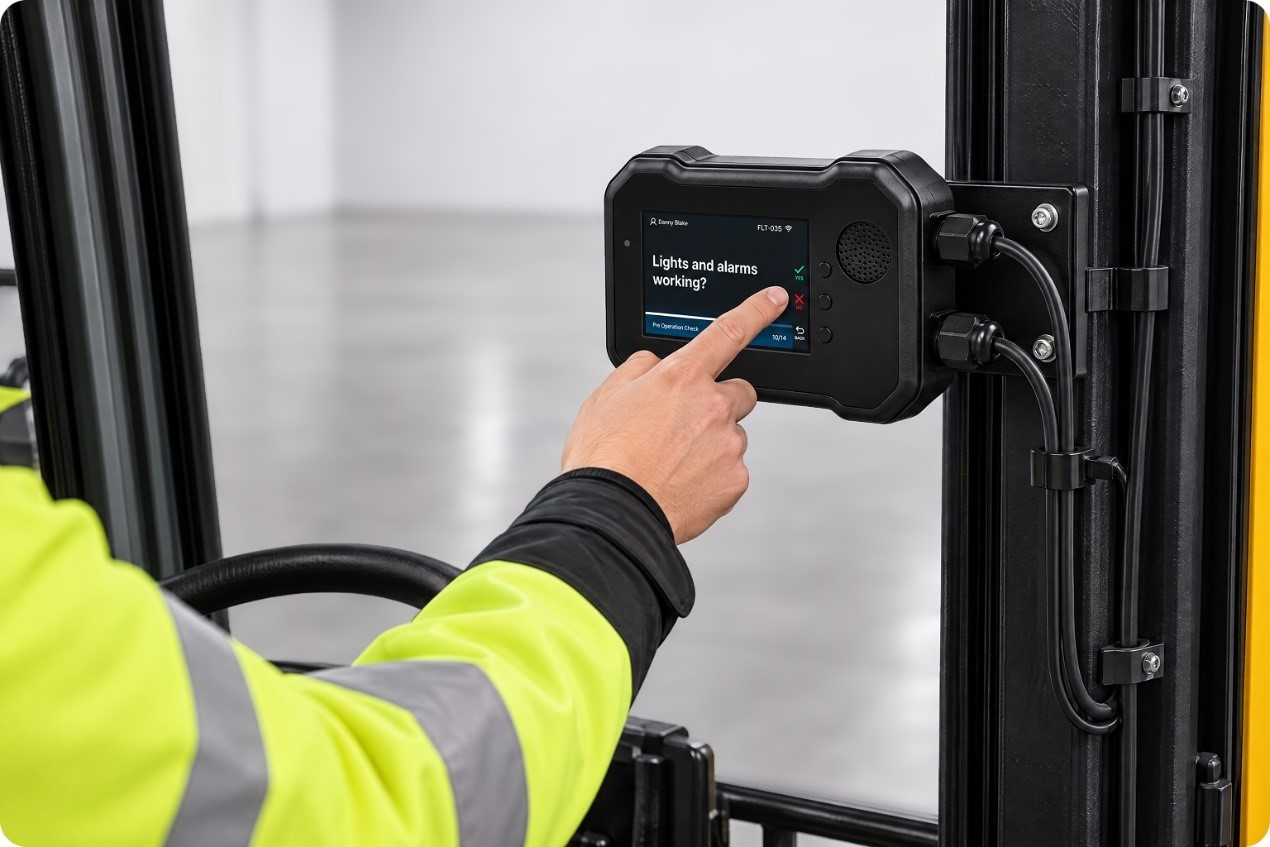
The platform connects continuous asset-condition data with Physical AI and consequence-based scoring. It evaluates potential impact across six dimensions: operations, safety, financial, regulatory compliance, environmental and reputational. The same physical defect on a redundant low-impact asset may only need observation. The identical defect on a single point of failure can demand immediate action. Lumicent sits above existing systems rather than replacing them. It does not touch industrial control infrastructure. Agentic workflows help coordinate approved responses across people and processes while keeping human judgment in the loop. Priorities remain traceable to the underlying data so operations, engineering, risk, finance and executives share the same basis. Depending on environment and use case, deployments can support 30 to 50 percent reductions in unplanned downtime and up to 90 percent reductions in manual inspection requirements. The MA1 and AG condition-monitoring products carry FM Approval. Andy Pruett, co-founder and CEO, stated the core problem directly. Industry does not have a data problem. It has a decision problem. Warning signs often exist somewhere in the organization yet never become clear or urgent enough to change the outcome. David Hess, director of manufacturing supply chain at USA Rare Earth, said the platform helps identify issues before they disrupt commissioning or production and focuses people where impact is greatest. Natural-catastrophe insured losses reached an estimated 107 billion dollars worldwide in 2025, the sixth consecutive year above 100 billion dollars, according to Swiss Re Institute figures cited in the release. The company was founded in Vancouver in 2020 as CoGo and is available now at lumicent.com.
The closed loop is the shift from detection to ranked action. More alerts without consequence context simply add noise. Teams that continue treating every condition signal as equal will keep reacting after the downtime or loss has already occurred. Teams that map asset criticality, apply the six-dimension scoring and act on the highest-consequence items first will direct scarce maintenance resources more precisely. Start with the single points of failure that carry the largest operational or safety exposure, feed their condition data into the platform, and measure the change in unplanned events after the first prioritization cycle. That is the practical next step.
Author bio: James Vance, senior commentator for international technology weeklies who has covered industrial operations software and physical-risk platforms for more than a decade.
source https://newsroom.seaprwire.com/press-releases/technologies/industrial-plants-are-drowning-in-condition-data-lumicent-turns-it-into-ranked-decisions/