By: Gavin Thorne – SeaPRwire – The clock almost ran out. Two hours before the 50 percent tariffs were set to hit Canadian goods, the White House blinked. Donald Trump pushed the deadline from 12:01 a.m. Eastern on August 19 to August 22. That is not a settlement. It is a pause that leaves every exporter, every trucker at the border, and every provincial premier still guessing. The real story is the unfinished paper. Both sides claim progress. Neither side has shown the text.
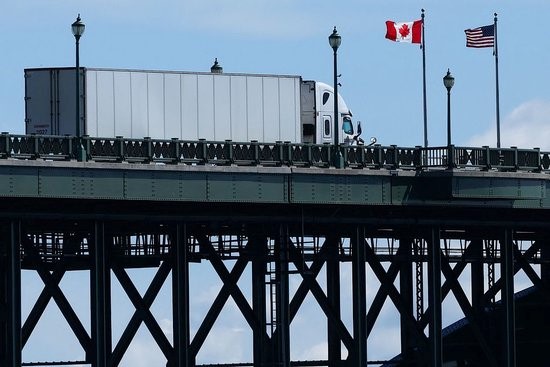
Official statements paint a tidy picture. Trump posted late on the 18th that Canada and the United States had reached an agreement. Final documents still needed signing. The White House later said Canada had promised to address American complaints on dairy, alcohol, and autos. Canadian Prime Minister Mark Carney called the talks “intense and delicate.” He said substantial progress had been made. Important work remained. Canada accepted the three-day delay while negotiations continued. The original tariffs targeted hundreds of products under Section 338 of the 1930 Smoot-Hawley Tariff Act. Wine, hockey sticks, and cement were on the list at 50 percent. Steel, aluminum, copper, autos, and lumber already carried earlier duties. Washington argued Canada discriminated against American cars, spirits, and milk products. In the final hours the two sides discussed cutting the auto tariff from 25 percent to 15 percent. They could not agree which vehicles would qualify. On alcohol, Carney needs approval from provincial premiers. Those sales sit under provincial control, not federal. Trump also floated the possible revival of the Keystone XL pipeline. That project would move Alberta crude to the U.S. Midwest. It has been stalled for years. Landowners, Indigenous tribes, and environmental groups oppose it. Joe Biden revoked its permit on his first day in office. The Wall Street Journal suggested the tariff talks could open the door to rewriting the USMCA. The agreement is under annual review after the current U.S. administration refused to renew it in its present form. Talks with Mexico have moved forward. Formal sessions with Canada have not yet begun.
The public lines and the private pressure do not match. Canadian Chamber of Commerce president and CEO Candace Laing said the three-day delay offers only limited relief. “This state of limbo is not the outcome anyone wants.” She urged negotiators to finish the job quickly. An Abacus Data poll showed 74 percent of Canadians feel the trade fight is already hitting their households. Thirty-six percent want new counter-tariffs even if the domestic cost rises. Only 18 percent favor concessions. Liu Chunsheng, an associate professor at Central University of Finance and Economics, called the delay a short buffer. Market panic eased a little. The risk that tariffs still land on schedule remains. Uncertainty will keep shaking regional supply chains and market sentiment. Energy is Canada’s key export card. Keystone XL sits at the center of that leverage. Yet the project’s revival would reopen old wounds on both sides of the border. Auto rules remain the hardest knot. Without a clear list of eligible vehicles, the 15 percent offer is just a number on a whiteboard. Dairy and alcohol require provincial buy-in that Ottawa cannot deliver alone. The three-day window is meant for drafting text. It can just as easily expire with no signature.
The pendulum has not swung. It has only been held still for seventy-two hours. Watch the auto eligibility list and the provincial alcohol letters. Those two details will decide whether the pause becomes a deal or just another countdown.
Author bio: Gavin Thorne, overseas geopolitical commentator who regularly publishes editorials in major newspapers on trade disputes and North American power dynamics.
source https://newsroom.seaprwire.com/contributors/gavin-thorne/three-days-of-breathing-room-that-solves-nothing/