By: Alistair Kroon – SeaPRwire – The original script called for a quick win. In late February 2026 President Trump ordered a large-scale military strike on Iran. The stated aims were to destroy its nuclear capability and achieve regime change. Nearly six months later the conflict remains unfinished. It has settled into a pattern of intermittent fighting and intermittent talks. Trump alternates between declaring the war nearly over and threatening to bomb Iran back to the Stone Age. He claims negotiations are under way even as new airstrikes are ordered. The gap between the opening claim and the current reality is the story.
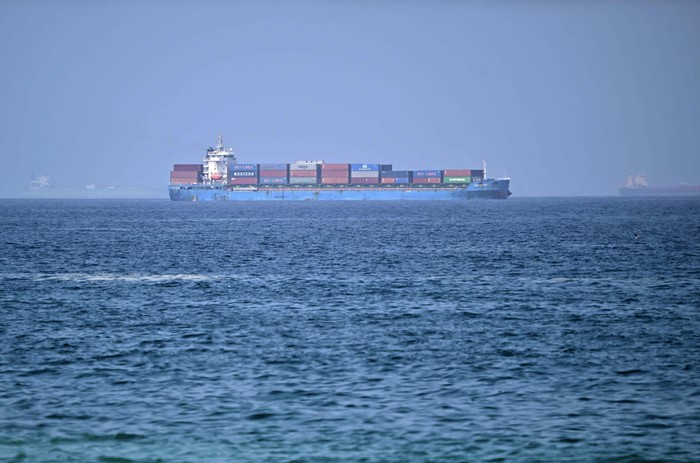
The early phase followed the expected military script. U.S. and Israeli forces used air superiority to hit Iranian military sites, command centers, and nuclear facilities. They even claimed a successful “decapitation” of Supreme Leader Khamenei. The administration expected a collapse modeled on earlier operations. Iran did not collapse. It completed a rapid power transition. The new leadership showed resilience. Iranian forces applied controlled escalation. They blocked the Strait of Hormuz. They struck U.S. bases in the Middle East. They hit energy facilities of American allies. Global oil prices jumped. U.S. gasoline prices hit new highs. Public complaints followed. The four-to-six-week timeline vanished. No end is visible. Continuing the fight carries rising costs with no clear path to victory. Withdrawing offers no graceful exit. The administration keeps adjusting its public language under international scrutiny.
Domestic constraints tightened at the same time. Congress was bypassed on the decision to go to war. That move produced bipartisan anger. Democrats pushed measures to limit presidential war powers. Republican control blocked those measures for now, yet the pressure remains. Public opinion turned against the campaign. Polls showed more than 60 percent of Americans opposed. Large anti-war gatherings occurred in New York, Los Angeles, and San Francisco. California Governor Newsom called the gasoline price spike a tax on every American. Midterm election pressure forced a measure of restraint. Even Trump’s own base fractured. Figures such as Bannon and Carlson publicly criticized the break with the campaign promise to avoid overseas conflicts. Some voters accused him of betrayal. That internal split carries political cost.
Internationally the isolation was immediate. The strike occurred after Iran had accepted zero uranium stockpile and full inspections, when peace appeared within reach. Allies declined to join. Spain and Germany refused help reopening the Strait of Hormuz. France and Britain issued a joint statement that neither endorsed nor condemned the action. Analysts began comparing the episode to the 1956 Suez crisis. Each disruption—from the Hormuz blockade to attacks on U.S. bases to energy-market turbulence—undermined the image of an unchallengeable superpower. Goals originally stated have largely gone unmet. Trump has begun shrinking the definition of victory to “weakening Iran’s military capacity” and describing the episode as a “short-term action.” Iran’s conditions for ending the conflict include recognition of its rights, war reparations, and international guarantees against future aggression. Israel opposes any loose U.S.-Iran agreement. Those conflicting demands leave the exit path blocked. The practical observation for anyone tracking the region is simple. Watch the public redefinition of objectives more closely than the next airstrike. The original timeline is already gone. Author bio: Alistair Kroon, a veteran geopolitical commentator whose columns appear regularly in major international newspapers and focus on great-power military miscalculations.
source https://newsroom.seaprwire.com/contributors/alistair-kroon/trumps-iran-timeline-collapsed-now-washington-is-stuck-redefining-victory/