PALO ALTO, CA – 08/03/2026 – (SeaPRwire) – As enterprises increasingly adopt artificial intelligence in marketing, many organizations are facing a new challenge: transforming isolated AI experiments into structured, scalable systems that can power full campaign operations. Addressing this need, Typeface has unveiled its new Marketing Orchestration Engine, an enterprise platform designed to coordinate brand intelligence, AI-driven workflows, and core IT systems into a unified marketing environment.
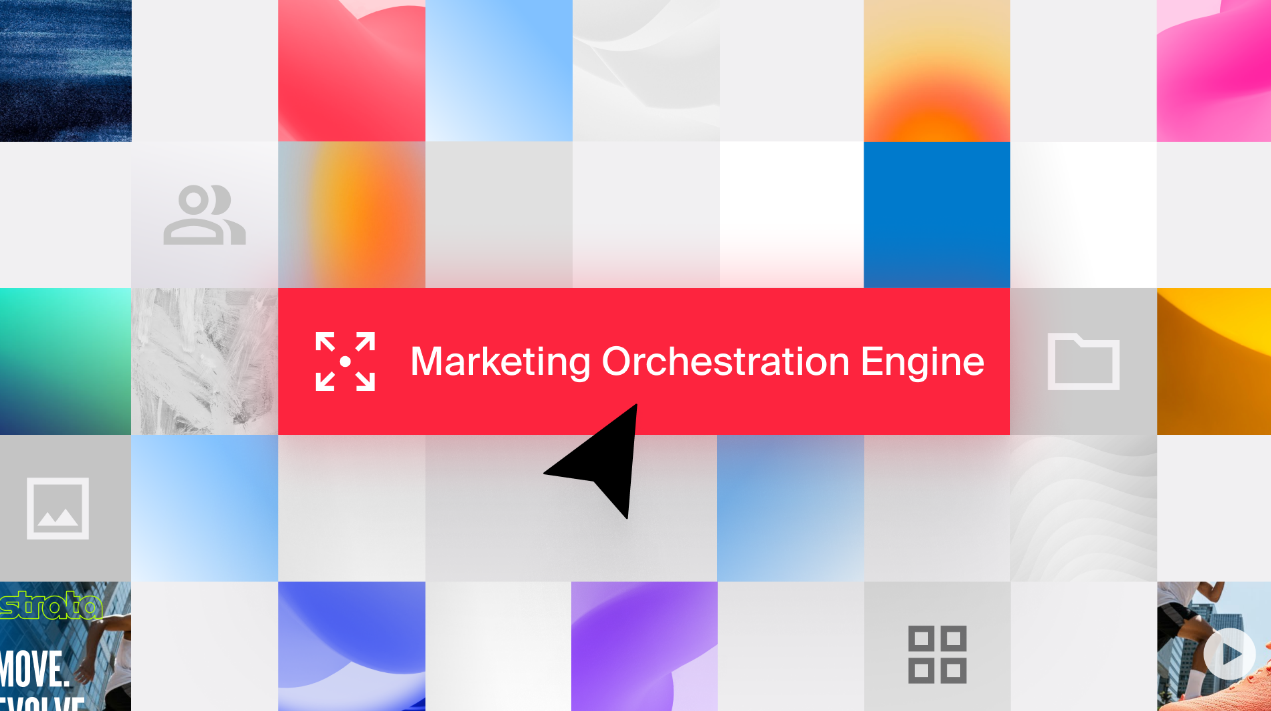
The new platform introduces a dedicated operational layer that enables organizations to manage cross-channel marketing activities with greater consistency, governance, and efficiency. By integrating brand data, AI agents, and enterprise infrastructure into a single framework, the system aims to help marketing teams execute campaigns at scale while maintaining strict adherence to brand standards and operational oversight.
The Marketing Orchestration Engine is built around several foundational components, including Arc Graph, Arc Agents, and Arc Forge, with a future capability known as Arc Loop intended to extend performance optimization through continuous learning.
According to Abhay Parasnis, Founder and CEO of Typeface, the company’s vision centers on enabling marketing teams to move beyond basic AI content generation. Instead, the goal is to build an operational system where AI supports large-scale execution while marketers remain responsible for strategy, creativity, and decision-making. By consolidating workflows, brand standards, campaign performance data, and enterprise tools into a single environment, the platform seeks to simplify the management of complex marketing operations.
Arc Graph: A Dynamic Brand Intelligence Layer
At the core of the platform is Arc Graph, a continuously evolving brand intelligence system that expands beyond traditional brand asset libraries. Rather than storing only static guidelines or visual assets, Arc Graph connects multiple sources of marketing context, including brand standards, approved creative assets, audience insights, structured product data, and real-world campaign results.
This unified context layer allows AI-powered agents to generate marketing content that reflects not only a brand’s visual identity but also its operational practices across channels, retail environments, and customer segments.
Cristina Eggum, Senior Manager of Digital Shelf at Post Consumer Brands, noted that as the company expands across retail platforms, maintaining accurate and compliant product content at scale has become increasingly important. She explained that Typeface helps convert product data into retailer-ready content automatically, ensuring that formatting requirements and approved brand language are applied consistently while accelerating content delivery.
Arc Forge: Enterprise Customization and Governance
As AI tools become embedded across marketing teams, many organizations are discovering that disconnected software systems can create operational complexity. To address this, Typeface introduced Arc Forge, a new customization layer designed specifically for enterprise IT teams.
Arc Forge allows organizations to extend and govern the AI-driven marketing stack using APIs, webhooks, model control protocols (MCP), and custom code. Through these integrations, companies can connect global large language models with their internal marketing infrastructure, ensuring that AI agents operate securely and align with enterprise governance requirements.
By enabling deeper integration with internal systems, Arc Forge aims to ensure that AI capabilities scale within enterprise environments rather than functioning as standalone tools.
Arc Agents: Purpose-Built AI for Marketing Workflows
Another key component of the platform is Arc Agents, a set of specialized AI agents designed specifically for marketing execution. These agents can manage a variety of campaign tasks across the marketing lifecycle, from transforming creative briefs into channel-ready campaigns to generating personalized content variations for multiple audiences and formats.
Using shared brand intelligence from Arc Graph, Arc Agents can automatically create and adapt marketing content for channels such as email, digital advertising, social media, websites, and video platforms. The system supports modular campaign inputs, pre-approved templates, and structured workflows, allowing teams to move from one-off content generation toward repeatable, scalable campaign execution.
Arc Spaces: A Unified Marketing Workspace
To support collaboration and oversight, Typeface provides Arc Spaces, a centralized visual workspace where marketing teams can review campaigns, compare variations, and collaborate in real time. The workspace brings together brand intelligence, AI agents, and enterprise systems, enabling teams to manage workflows within a governed environment rather than across fragmented tools.
Looking Ahead: Arc Loop
Typeface also outlined its roadmap for Arc Loop, a future closed-loop optimization system designed to connect marketing performance data directly with AI-driven campaign planning.
As campaigns are executed, real-world outcomes—such as engagement metrics, conversions, and performance lift—will feed back into the platform, helping refine how AI agents plan and generate future campaigns. Over time, this feedback cycle aims to transform the platform into a continuously learning marketing system, improving campaign effectiveness while maintaining human oversight and enterprise governance.
More details about the launch are available in Typeface’s latest blog announcement.
About Typeface
Typeface provides an enterprise marketing orchestration engine designed to coordinate brand intelligence, AI agents, and enterprise technology systems across cross-channel marketing operations. The platform is built for large organizations that require scalable workflows, consistent brand governance, and deep integration with existing enterprise software.
Typeface integrates with widely used platforms including Salesforce, Microsoft, and Google, allowing organizations to expand successful marketing strategies without sacrificing quality control or operational oversight. The company’s technology is used by Fortune 500 enterprises to embed AI directly into marketing workflows, enabling teams to transform brand standards, approvals, and performance data into coordinated systems that improve over time.
The company is backed by investors including Lightspeed, GV, Salesforce Ventures, Madrona, Menlo Ventures, and M12. Typeface has also been recognized by organizations such as Fast Company, Gartner, TIME, LinkedIn, and Adweek for its contributions to AI-driven marketing innovation.
source https://newsroom.seaprwire.com/technologies/typeface-introduces-marketing-orchestration-engine-to-help-enterprises-scale-ai-driven-campaigns-across-channels/