CHANTILLY, VA – 03/04/2026 – (SeaPRwire) – As enterprises expand their digital infrastructure across geographically dispersed locations, ensuring consistent and scalable connectivity has become a critical operational priority. InHand Networks has released a structured framework designed to help organizations plan, deploy, and manage Fixed Wireless Access (FWA) across multi-site environments, with a focus on long-term performance and operational efficiency.
The model is tailored for enterprise IT teams, multi-location businesses, and system integrators or managed service providers (SI/MSPs) operating across North America. It outlines six core priorities spanning three key stages of the FWA lifecycle: selection, deployment, and ongoing operations.
Adapting to Increasing Network Demands
With growing reliance on cloud applications, real-time collaboration tools, point-of-sale (POS) systems, and IoT connectivity, branch networks are experiencing higher bandwidth demands and increased complexity. These evolving requirements are placing greater pressure on network infrastructure to deliver reliability, flexibility, and scalability.
InHand Networks’ framework addresses these challenges by identifying practical considerations for building resilient FWA deployments.
Six Core Priorities for FWA Success
- Carrier Flexibility
Multi-carrier support is essential for reducing dependency on a single network provider. Devices equipped with dual SIM and eSIM capabilities can enhance connectivity resilience across different regions and deployment scenarios. - Performance and Capacity
As data traffic grows, network performance must keep pace. Technologies such as Wi-Fi 7, dual 2.5G Ethernet interfaces, and high-capacity 5G architectures provide the bandwidth and stability needed to support peak usage and future expansion. - Operational Reliability
Distributed sites often operate without on-site IT personnel, making hardware reliability a key consideration. Designs that eliminate components such as fans and batteries can reduce failure points and support continuous, maintenance-light operation. - AI-Driven Cloud Management
Integrating AI capabilities into cloud-based network management can significantly improve operational efficiency. Features such as intelligent diagnostics, automated troubleshooting, and intent-based configuration help streamline management across multiple sites. - End-to-End Technical Support
Collaboration with experienced technical teams throughout the deployment lifecycle—from planning to post-deployment support—can improve implementation outcomes and ensure faster issue resolution in environments with strict uptime requirements. - Scalable Deployment Practices
Standardized, template-based workflows and structured validation processes enable organizations to transition smoothly from pilot projects to full-scale deployments, maintaining consistency and control during expansion.
From Connectivity to Operational Excellence
The framework emphasizes that successful FWA adoption extends beyond initial connectivity. Long-term success depends on the ability to maintain performance, reduce operational complexity, and scale deployments efficiently as business needs evolve.
The model is particularly relevant for industries with distributed operations, including retail chains, logistics networks, and enterprise branch environments.
Supporting Scalable Connectivity Solutions
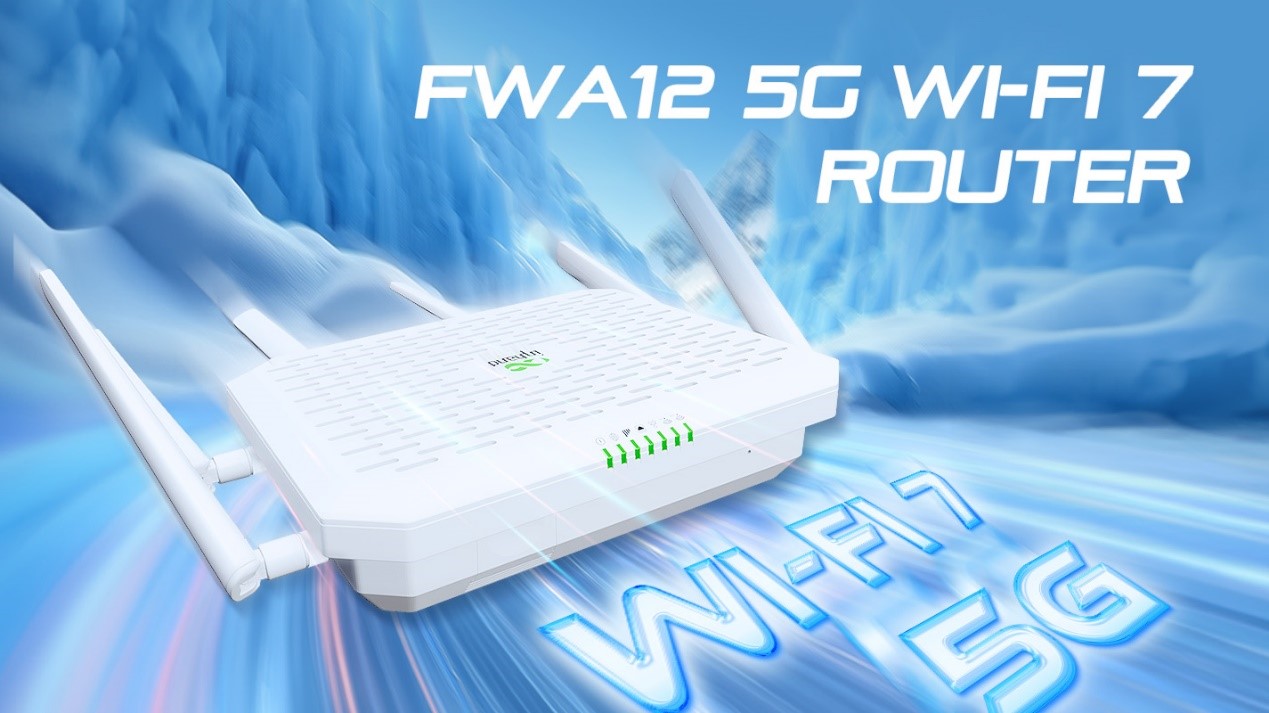
InHand Networks also highlights its FWA12 solution as an example of technology designed to support resilient connectivity and scalable rollout across distributed environments. Organizations can leverage such solutions to enhance network reliability while simplifying deployment and management processes.
About InHand Networks
InHand Networks provides industrial and enterprise networking solutions that enable organizations to deploy and manage reliable connectivity across distributed locations. Its portfolio supports a wide range of industries, helping businesses maintain stable operations and adapt to evolving network demands.
source https://newsroom.seaprwire.com/technologies/inhand-networks-introduces-framework-to-optimize-multi-site-fixed-wireless-access-deployments/